

As the offseason winds to a close, most of the heavy lifting is done. Pitchers and catchers will report to Salt River Fields on February 10th to start the 2026 season.
With a little bit of hindsight, it was pretty obvious from the onset that the Diamondbacks were handicapped financially entering the offseason. Injuries to Corbin Burnes, Justin Martinez, A.J. Puk, and Lourdes Gurriel Jr. limited what they could do. The quartet combined for $53.6 million of Arizona’s 209.2 million payroll for 2026 (Cots), or 25.6%.
With injuries completely decimating the pitching staff, which will linger into 2026, D-backs GM Mike Hazen had some tough decisions to make. He chose to address the rotation and third base this offseason, at the expense of the bullpen.
If you look at his MLB additions in the offseason, here’s how they went.
RHP Merrill Kelly: 2 years, $40MM plus 2028 vesting option
RHP Michael Soroka: 1 year, $7.5MM plus $2MM more in incentives
3B Nolan Arenado: Arizona is responsible for $11MM over the next 2 years
RHP Taylor Clarke: 1 year, $1.55MM
In total, the club added about $34MM in payroll for the 2026 season. It wasn’t the perfect offseason, but that wasn’t going to happen anyway.
Managing General Partner Ken Kendrick was on Burns & Gambo back in September to explain the payroll situation. Kendrick stated that their payroll will be less than the $220 million figure from 2025, but still be competitive.
There are still two more possible moves the team can make before the season starts, according to Arizona Sports’ John Gambadoro.
Trade for a reliever
Sign a right-handed-hitting first baseman
As we head toward the start of a new season, I examine the big stories of the week and why things played out the way they did in the offseason.
Why Hazen Chose to Address the Rotation First
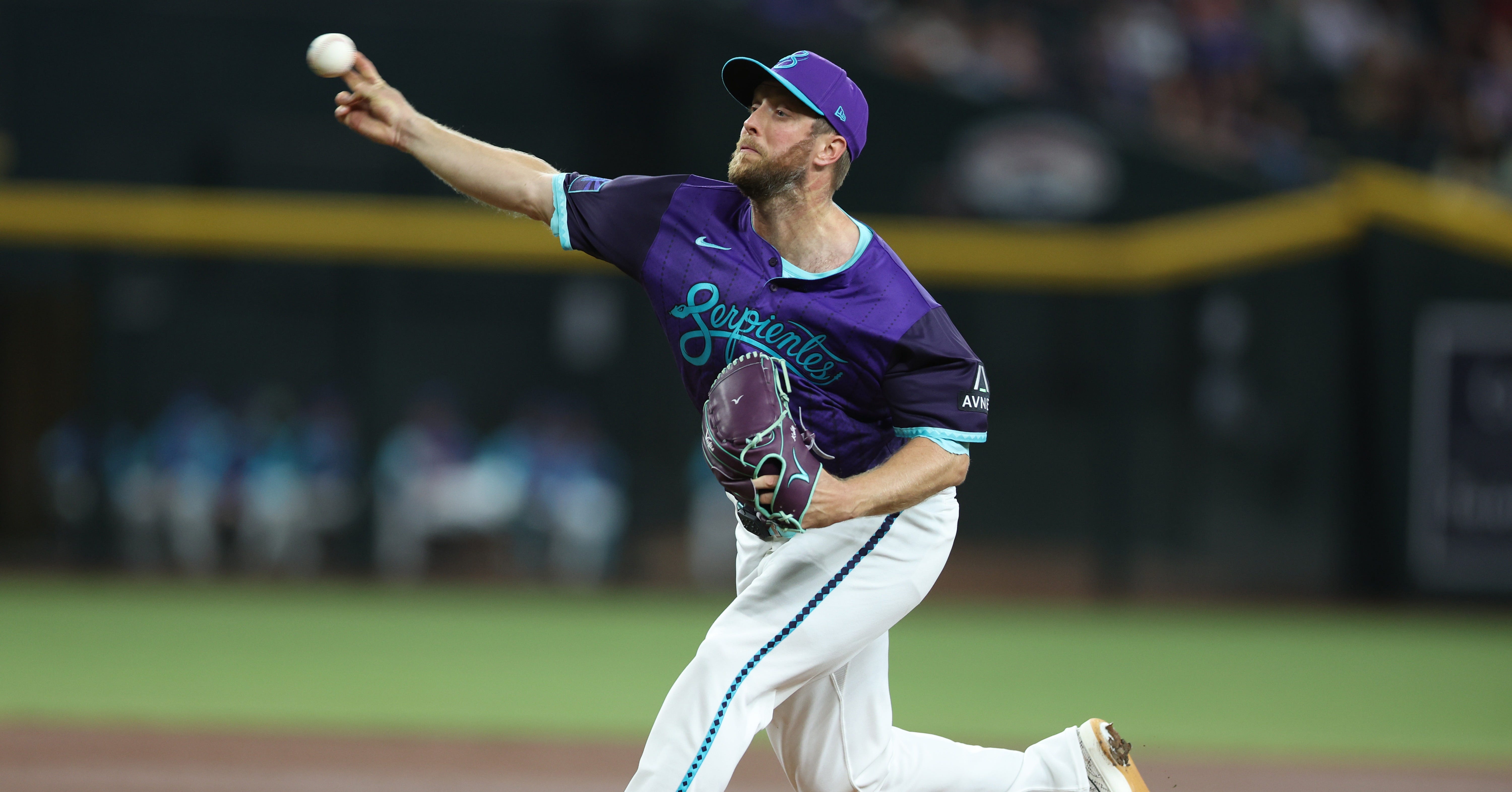
Without a doubt, the starting rotation was the most pressing need to address for Hazen. The D-backs entered the offseason with three healthy starters with any sort of track record: Ryne Nelson, Brandon Pfaadt, and Eduardo Rodríguez. Both Pfaadt and Rodríguez were especially bad in 2025, posting ERAs north of 5.00. So without a doubt, the rotation had to be addressed before moving on to other things.
Hazen had to replace two starters from his 2025 rotation: Zac Gallen and Merrill Kelly. He brought back Kelly and added Michael Soroka. Between the two pitchers, that’s a total of $27.5 million in guarantees, nearly 80% of the payroll they added this offseason.
Soroka could be an upside play if he can stay on the mound. The problem is he carries an injury history that’s certain to keep Ryan DiPanfilo busy. The 89.2 innings he pitched in 2025 were the most since his rookie campaign (2019), when he threw 174.2 innings.
With the injury histories of both Rodríguez and Soroka, the D-backs are still one player away from disaster. Their depth options don’t carry much MLB experience, with Cristian Mena being the only starter with any. But one start and 6.2 innings might not be enough.
The D-backs are certainly monitoring Gallen’s free agency situation. Signing him would require Kendrick to green-light further spending. There is precedent for such a move, as they did the same with Jordan Montgomery in 2024. Should Gallen fail to find any offers of three or more years, a reunion could be possible.
The Athletic’s Jim Bowden listed Arizona as a frontrunner to re-sign Gallen. But that could be a moot point if the D-backs don’t feel he’s worth the cost. They extended a qualifying offer, but that was before signing Kelly and Soroka. I think it’s a situation where Hazen addresses the other stuff, then circles back to Gallen if he’s still around and Kendrick approves extra expenditure.
That may also be why the team was willing to listen to Ketel Marte. One clear demand in any potential trade was a controllable starter plus more pieces. That’s an ask that teams looking to add Marte felt too uncomfortable moving, so a trade never happened.
Rotation Needs Overshadowed Bullpen
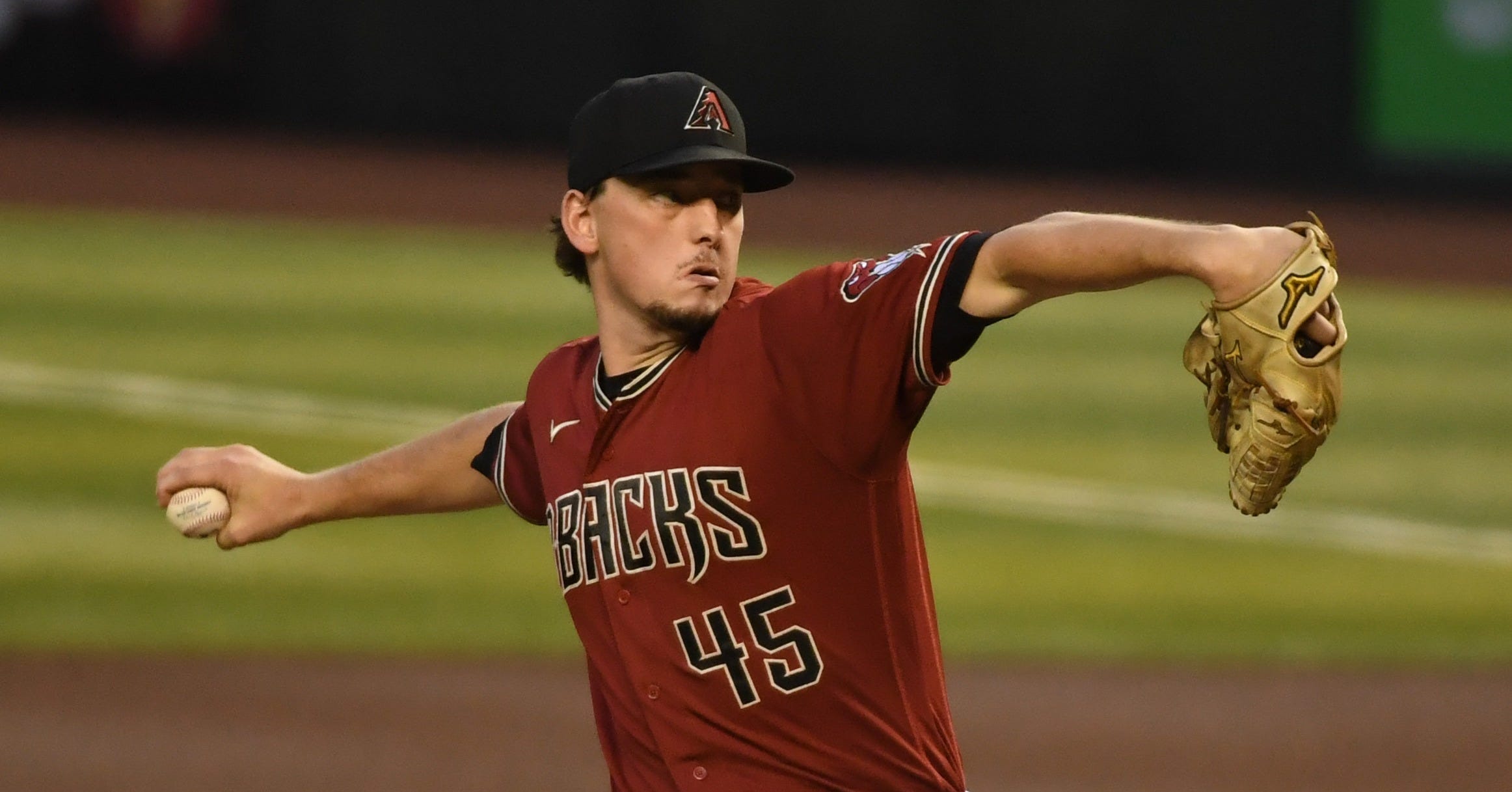
The bullpen might have been the second-biggest priority. However, as stated above, the rotation required so much focus that they didn’t have the budget to sign a closer. That’s the tradeoff a small to mid-market team like the D-backs has to make.
The D-backs aren’t the Dodgers, who have seemingly unlimited resources compared to the rest of the league. Arizona is limited by the amount of revenue it generated in the previous season. BrooksGate had the D-backs spending the fifth-largest percentage of their 2024 revenue in 2025 payroll (66.7%).


“We don’t have a lot of guys ready to step into our rotation,” Hazen told The Arizona Republic’s Nick Piecoro. “If I had spent $15 million on one of those good bullpen arms, I wouldn’t have Merrill Kelly.”
The going rate for a late-inning arm is $10MM+ per season, with 12 relievers signing a contract to that yearly average. There were still some arms available after signing Kelly and Soroka, but it didn’t take long for them to go. Pete Fairbanks went to the Marlins, and Seranthony Domínguez recently signed with the Chicago White Sox. They also checked in on Pierce Johnson, but were quickly priced out of his market as well.
Arizona did sign one pitcher, but that was Taylor Clarke. Clarke put together some solid metrics in 2025, adding a sinker that made him more effective against right-handed hitters. He’s not a back-of-the-bullpen arm, but should be someone who gives the club solid innings at a reasonable cost of $1.55MM.
Jonathan Loáisiga is the other big name they added, albeit on a minor league deal. Loáisiga is another pitcher that will keep DiPanfilo busy, making just 50 appearances since 2023. However, he features an electric arsenal that could make him a candidate to pitch in the late innings if he has a good camp.
It’s looking more like it will be the spaghetti method with the bullpen. Hazen added a lot of intriguing reliever prospects at the deadline. Two other arms to keep an eye on are Yilber Díaz and Drey Jameson. If healthy and throwing strikes, they have as much upside as any other arm in the bullpen.
The most likely route they take is trading an infielder or an infield prospect to land another potential reliever. The organization is particularly deep at second base, carrying a legitimate prospect at all four full-season levels of their minor league system.
“The bullpen market isn’t done,” Hazen told Piecoro. “There are trades out there. I don’t know what’s going to happen, but I don’t think this is a dead position as it relates to what we’re doing moving forward.”
For now, the unit has to be able to tread water until they get Puk and Martinez back. It’s a tough pill to swallow, since they put up the fourth-worst ERA (4.82) and recorded the fewest shutdowns (115) in 2025. But that’s the situation they find themselves in.
Kevin Ginkel and Loáisiga will likely get the first crack at the closer role. Other potential options include Díaz and Saalfrank. Hazen seems pretty confident some pitchers will emerge from that unit. His track record with that unit warrants further skepticism until the results show otherwise.
